Importance of Original Interior in Collector Cars
Serious collectors spend considerable time evaluating exterior paint, mechanical condition, and provenance documentation — but interior originality deserves equal scrutiny, and buyers who overlook it often discover its importance only when resale time arrives. Factory-original interiors matter in the collector car market because they represent an unbroken chain of authenticity from the manufacturer to the present day — something that even the most skilled restoration work cannot fully replicate once original materials have been altered or replaced. Period-correct stitching patterns, factory color combinations, original material composition, and manufacturer-specific trim details collectively establish an interior’s authenticity in ways that trained evaluators identify quickly and auction houses price accordingly. Limited Spec Automotive in Miami sources and maintains inventory with interior authenticity held to the same standard as exterior and mechanical condition, recognizing that complete vehicles command complete valuations.
What Does “Factory-Original Interior” Mean?
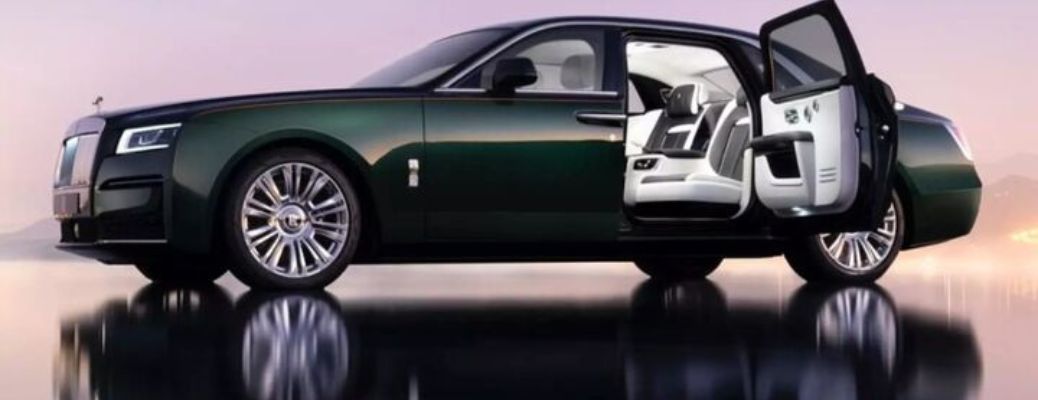
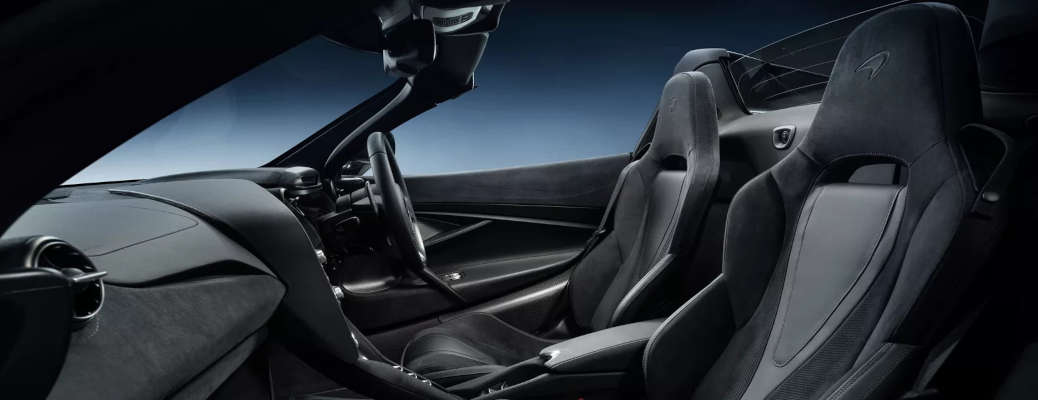
A factory-original interior refers to a cabin where the seats, door panels, headliner, carpet, dashboard, steering wheel, and trim pieces remain in the configuration and materials that the manufacturer installed during production — unmodified, unrestored, and untrimmed by subsequent owners. This extends to color combinations: a factory-specified tan leather interior with brown piping on a Ferrari or a specific Rolls-Royce bespoke color commission represents the complete original specification rather than individual components in isolation. Original doesn’t necessarily mean perfect — age-appropriate wear is expected and accepted — but it does mean unchanged from the factory’s original intent.
How Factory Paint Protection Film Can Preserve Collector Value
How Original Interiors Support Vehicle Authenticity
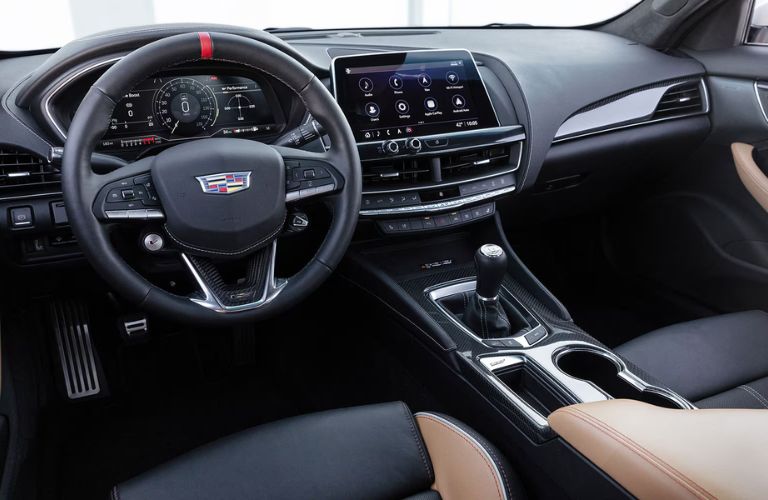
Interior originality functions as physical documentation of a vehicle’s history in ways that paper records alone cannot provide. Original seat foam density, factory stitching patterns, and period-correct materials confirm that the vehicle hasn’t been substantially altered — which supports the broader narrative that the exterior, mechanical components, and documentation together tell about a specific example. Buyers who cross-reference factory build sheets against the interior specification they’re evaluating can identify discrepancies that might indicate undisclosed modification, which is information that affects both the vehicle’s value and the confidence with which it can be resold.
Why Collectors Value Originality Over Unnecessary Restoration
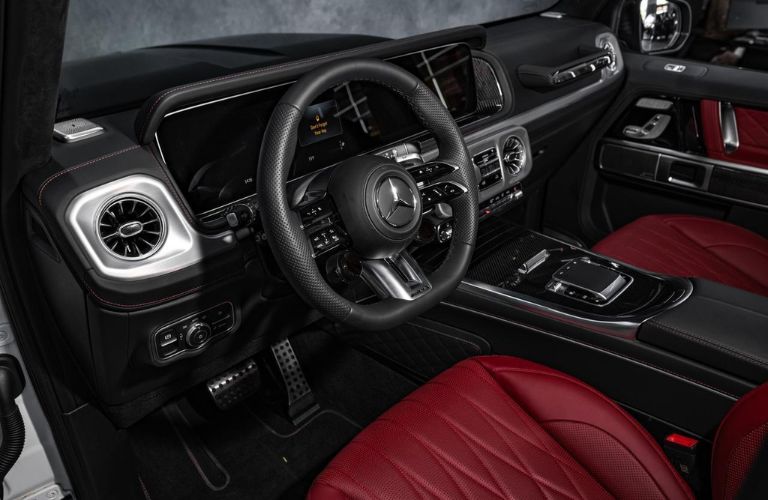
Restoration introduces uncertainty even when performed by specialists — replaced materials may not match original specifications precisely, stitching patterns may differ subtly from factory standards, and the very act of disassembly and reassembly creates opportunities for error that didn’t exist when the vehicle left the production line. A well-preserved original interior in honest, age-appropriate condition consistently commands more respect in the collector community than a restored example that appears fresher but lacks the authenticity that preservation provides. This preference isn’t sentimentality — it reflects rational understanding that originality is a finite, non-renewable quality that restoration permanently removes regardless of execution quality.
How Interior Condition Can Influence Collector Car Value
Interior condition assessments at major auction houses directly affect realized prices — vehicles presented with documented original interiors in honest, preserved condition consistently outperform equivalent examples with re-trimmed or non-original cabins, sometimes by margins that dwarf the cost difference between preservation and restoration. On significant examples, the premium for a confirmed original interior can reach five to ten percent of the vehicle’s total value — meaningful at any price point, substantial on vehicles valued in the hundreds of thousands. This premium reflects the collector market’s understanding that original condition becomes progressively harder to recover as time passes and original materials deteriorate or are replaced.
How Collectors Should Evaluate a Factory-Original Interior
Evaluating interior originality starts with comparing the physical interior against documented factory specifications — build sheets, window stickers, and manufacturer records should confirm the original color combination, material type, and installed options. Seams, stitching patterns, and material textures can be compared against known original examples or manufacturer reference materials to identify substitutions that don’t match factory production standards. Age-appropriate wear patterns should be consistent with the vehicle’s documented mileage and use history — interiors that appear too fresh relative to exterior and mechanical condition warrant closer examination rather than being accepted at face value.
Can You Daily Drive a MANSORY Vehicle in Miami, FL?
Explore the Curated Exotic Car Inventory at Limited Spec Automotive
Factory-original interiors matter in the collector car market because they represent physical evidence of a vehicle’s history that documentation alone cannot substitute. Visit us at Limited Spec Automotive in Miami to review current inventory evaluated to these standards, discuss specific interior condition details on vehicles that interest you, explore financing options appropriate for collector-grade acquisitions, and allow our team to support a purchasing decision made with complete information. Our team is ready to walk you through every detail that matters.