

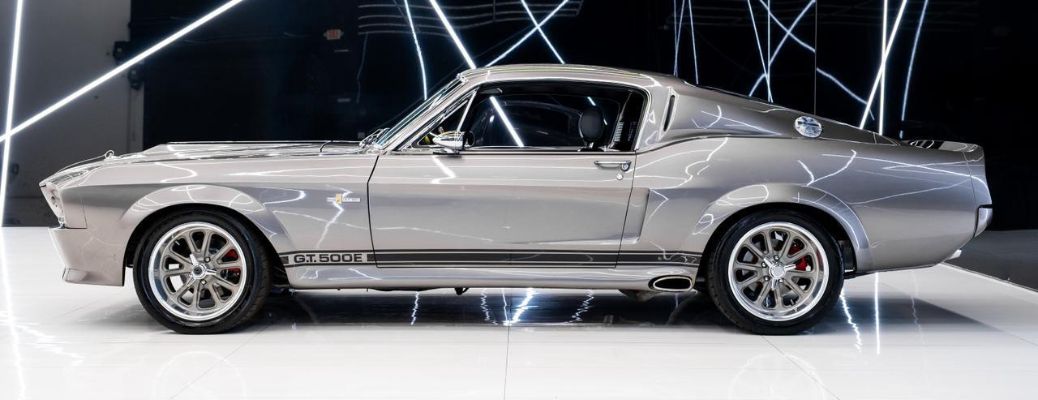
1967 Ford Mustang Fastback for Sale in Miami
Ask anyone who grew up watching Bullitt whether they remember the car chase or the plot, and the answer tells you everything about why the 1967 Ford Mustang Fastback collector car market has remained consistently strong while other muscle car categories have cycled through peaks and corrections. That roofline — the long, sloping fastback that connects the roof to the rear deck in a single uninterrupted sweep — defined American performance car design in 1967 and continues defining it in the cultural memory of buyers who weren’t even alive when these cars rolled off the Dearborn assembly line. Available big-block V8 engines, a body-off restoration market supported by extensive parts availability, and documented original examples that carry verifiable build sheet provenance establish the 1967 Fastback’s collector credentials across multiple levels of the market. Limited Spec Automotive in Miami carries examples that serious collectors should evaluate in person rather than through listings alone.
Why Is the 1967 Mustang Fastback So Collectible?
1967 represented the first significant redesign of the original 1964½ Mustang — larger, wider, and more muscular than its predecessor in ways that allowed Ford to fit the big-block FE engines that the original Mustang’s engine bay couldn’t accommodate without surgery. Bullitt’s release in 1968 cemented the Highland Green fastback as an icon that no subsequent Mustang generation redesigns have displaced from cultural prominence — a film association that actively influences values on 1967 examples, regardless of color. Fastback production numbers were lower than those of the hardtop and convertible variants in 1967, indicating a genuine supply constraint that collector demand consistently outpaces.
How Custom Wheel Design Changes the Character of a Luxury Performance Vehicle
What Makes the 1967 Fastback Design Special?
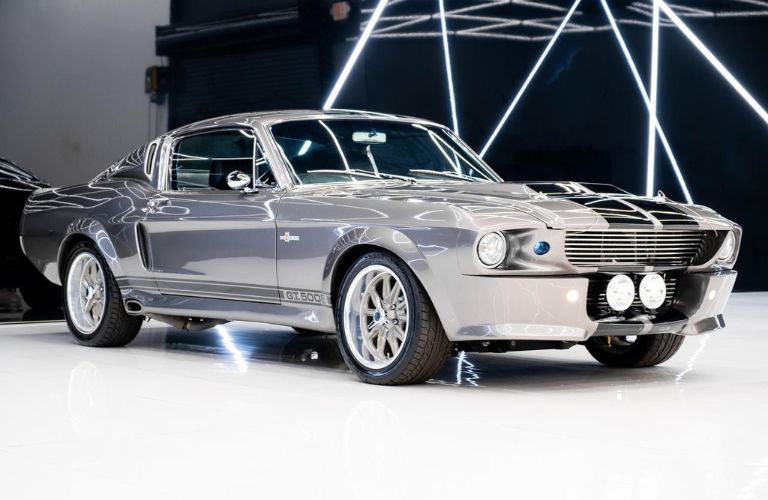
Roofline is the defining characteristic — the Fastback’s sloping rear glass and integrated rear deck produce proportions that the hardtop and convertible body styles don’t achieve, regardless of how similar their front ends look at a distance. Wider front and rear tracks in 1967 gave the car a planted visual stance that the narrower 1964-1966 Mustangs lacked, and the revised front end with its larger grille opening allowed the hood to accommodate the 390 cubic-inch FE big-block that transformed the Mustang from sporty compact to genuine muscle car. C-stripes, styled steel wheels, and the optional fog lamps in the grille opening created a visual vocabulary that restorers and builders have referenced continuously for nearly six decades without exhausting its appeal.
Does the Engine Affect 1967 Mustang Fastback Collector Value?
Engine specification drives value more dramatically in 1967 Mustang collecting than in almost any other American muscle car category — the difference between a base 200 cubic inch inline-six example and a numbers-matching 390 GT or 428 Cobra Jet fastback can represent multiples of value rather than percentage premiums. K-code high-performance 289 cubic inch small-block examples occupy their own specific collector tier, while 428 Cobra Jet cars — introduced mid-1968 but relevant to late 1967 build discussions — represent the upper end of big-block desirability. Engine authenticity through verified casting numbers, date codes, and documented build records determines whether a claimed specification is worth the premium it commands or represents a rebuilt example dressed to appear more desirable than actual documentation supports.
What Is a 1967 Mustang K-Code Fastback?
K-code designation identifies Mustangs equipped with the high-performance 271-horsepower 289 cubic inch small-block — an engine that required solid lifters, a higher compression ratio, and the kind of attention to assembly detail that Ford reserved for buyers who specified the option knowingly rather than accidentally. Revving freely to 6,000 rpm in a period when most American V8 engines ran out of enthusiasm well below 5,000, the K-code 289 produced a driving character that performance buyers of the era specifically sought — and that collectors today recognize as a period-correct alternative to the torque-forward big-block experience that 390 and 428 cars deliver. Documented K-code Fastbacks carry a premium that reflects both production rarity and the specific driving experience that this engine configuration produces, which hasn’t diminished as the collector market has matured.
How Important Is Originality on a 1967 Mustang Fastback?
Originality in 1967 Fastback collecting operates on a spectrum rather than a binary — a fully documented, numbers-matching, unrestored example commands the highest values, while correctly restored examples with documented original engines occupy a strong secondary tier, and modified or restomod examples serve a different buyer profile that prioritizes driving experience over investment positioning. Paint meter readings confirming original finish thickness across major body panels provide the most direct verification of unrestored status, while Marti Reports — available for Ford vehicles through the Marti Auto Works database — document factory build specifications that sellers claim but can’t otherwise verify through physical inspection alone. Missing originality can be offset by documentation quality, driving character, or acquisition price — but it cannot be restored once it’s gone, which is why provenance research before purchase matters more than post-purchase restoration investment.
Why Original Engine Components Matter to Serious Car Collectors
What Should You Check Before Buying a 1967 Mustang Fastback?
Floor pan and torque box condition represent the most structurally significant inspection points — the 1967 Mustang’s unibody construction makes floor rust a structural concern rather than a cosmetic one, and torque box deterioration affects handling geometry in ways that cosmetic restoration doesn’t address. Frame rail condition at the front subframe attachment points, wheel well inner lips, and the area beneath the trunk floor complete the structural assessment that separates a sound acquisition from one whose repair costs will exceed the purchase price differential that its condition justified. Engine stampings, carburetor date codes, and transmission build date verification confirm whether the drivetrain documentation matches the car’s production date — discrepancies don’t automatically disqualify a purchase but require explanation and appropriate price adjustment.
Explore the 1967 Ford Mustang Fastback at Limited Spec Automotive
A 1967 Ford Mustang Fastback collector car purchase rewards diligence more than almost any other acquisition in the American muscle car market. Visit Limited Spec Automotive in Miami to evaluate specific examples in person, review available documentation, discuss financing structures appropriate for collector vehicle acquisitions, and allow our team to walk you through the specific considerations that determine whether a particular example justifies its asking price.