Do Limited Production Cars Appreciate More Than Special Editions?
It’s one of the more debated questions among automotive collectors: when it comes to limited production vs. special edition vehicles, which holds value better over time? The answer isn’t as straightforward as most buyers expect, and the distinction between the two categories matters considerably more than the terminology suggests. Production numbers, manufacturer intent, market demand, and the specific model’s cultural significance all factor into how a vehicle performs as a long-term asset. Limited Spec Automotive in Miami, FL, focuses precisely on this segment — curating inventory of vehicles where the reasoning behind the rarity is as important as the rarity itself.
Understanding Limited Production Vehicles
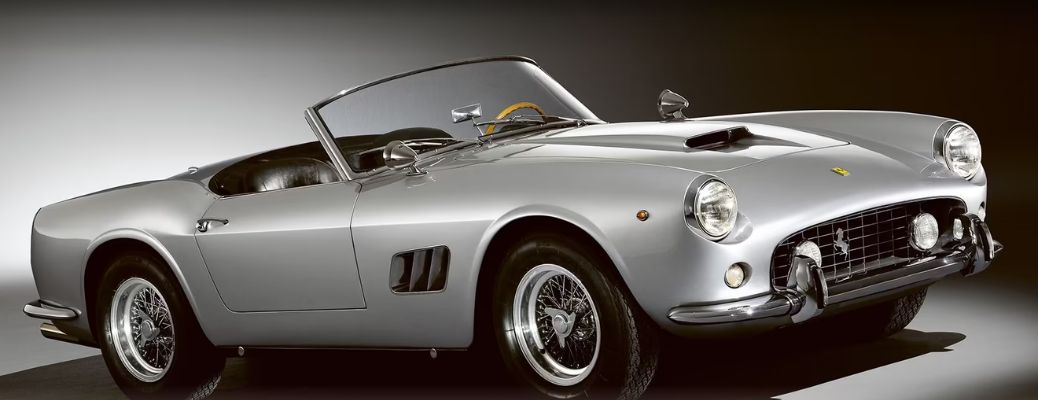
A limited production vehicle is one where the manufacturer deliberately capped the number of units built — often due to motorsport homologation requirements, factory constraints, or a calculated decision to create scarcity. These aren’t simply trims with extra features; they represent a fundamentally different production commitment. Examples include homologation specials built to qualify for racing series, or final-edition models that mark the end of an iconic nameplate’s run. Because the supply ceiling is fixed and immovable, demand dynamics tend to work in the collector’s favor as the years pass.
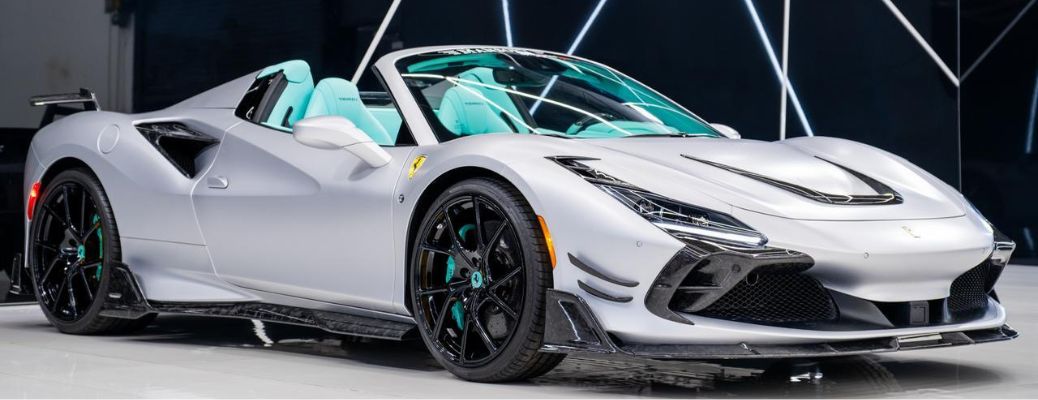
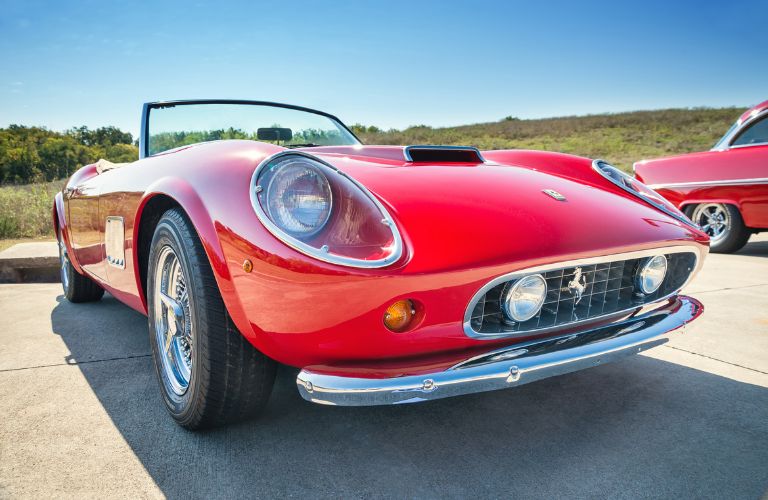
Most Desirable Ferrari Paint Colors and Interior Configurations for Collectors
What Makes a Vehicle a Special Edition?
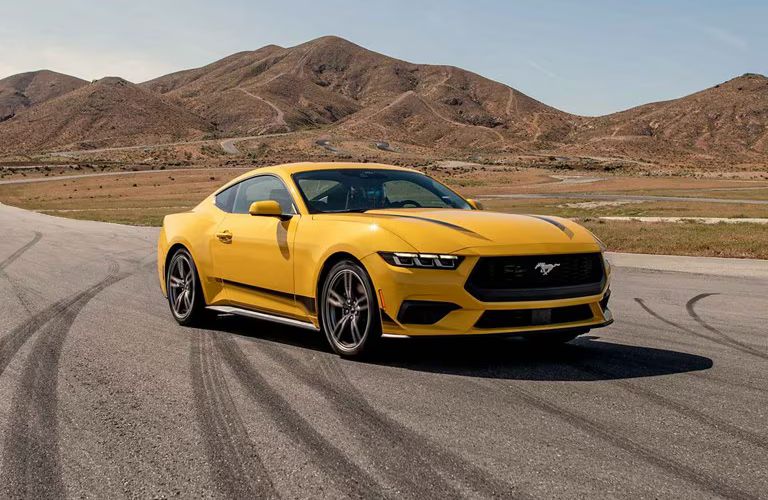
Special editions occupy a broader and sometimes less precise category. Manufacturers use the designation to mark anniversaries, honor racing heritage, introduce unique color combinations, or differentiate a trim within an existing lineup. Some special editions are produced in genuinely small numbers; others simply carry unique badging and color-matched accents across a fairly large production run. The word “special” doesn’t automatically confer scarcity — which is precisely why buyers need to look past the name and examine the actual production data before drawing conclusions about long-term value.
Key Factors That Influence Collector Value
Regardless of how a manufacturer classifies a vehicle, three factors consistently drive collector value: how many were built, how many survive in original condition, and how many buyers actively want one. A special edition produced in limited numbers with a strong enthusiast following can outperform a technically “limited production” vehicle from a brand with weaker collector demand. Originality amplifies everything — unmodified examples in documented condition attract the strongest interest at auction and in private sales alike.
Why Limited Production Models Often Hold Value Better
The math on true limited production vehicles tends to be favorable over time precisely because supply can never increase. Once the last unit rolled off the line, the pool of available examples only shrinks as accidents, modifications, and neglect to remove vehicles from collector-quality consideration. Manufacturers who built limited runs with specific performance or heritage intent — Porsche GT variants, Ferrari Challenge Stradale models, AMG Black Series editions — have created vehicles where authenticated examples in strong condition consistently find competitive buyers regardless of broader market conditions.
When Special Edition Models Outperform Expectations
Not every special edition fade into irrelevance. When a manufacturer ties a special edition to a genuinely significant moment — the final year of an iconic engine, a championship-winning racing season, a design collaboration with lasting cultural weight — the market responds accordingly. The key differentiator is whether the special edition represents something meaningful beyond a sticker package. Buyers who research the specific story behind a special edition, rather than relying on the badge alone, are better positioned to identify which examples carry real long-term potential.
Which Holds Value Better?
Taken as a category, limited production vehicles have a stronger collective track record for value retention than special editions — primarily because scarcity is structural rather than marketing-driven. That said, individual special edition models with the right combination of low production numbers, brand heritage, and enthusiast demand have demonstrated appreciation that rivals or exceeds many limited production counterparts. The most useful framework isn’t limited vs. special — it’s researched vs. unreasearched. Buyers who understand exactly what they’re acquiring and why the market values it will consistently make better decisions than those relying on category labels.
What Makes a Vehicle Collector-Grade?
Explore Collector-Grade Inventory at Limited Spec Automotive
When you’re ready to explore limited production vs. special edition vehicles with a team that understands the difference, Limited Spec Automotive is the right starting point. Visit our showroom, review current inventory, discuss financing structures for collector-grade acquisitions, and take the time to ask the questions that matter. The right vehicle for your collection is worth finding carefully — and we’re here to help you do exactly that.