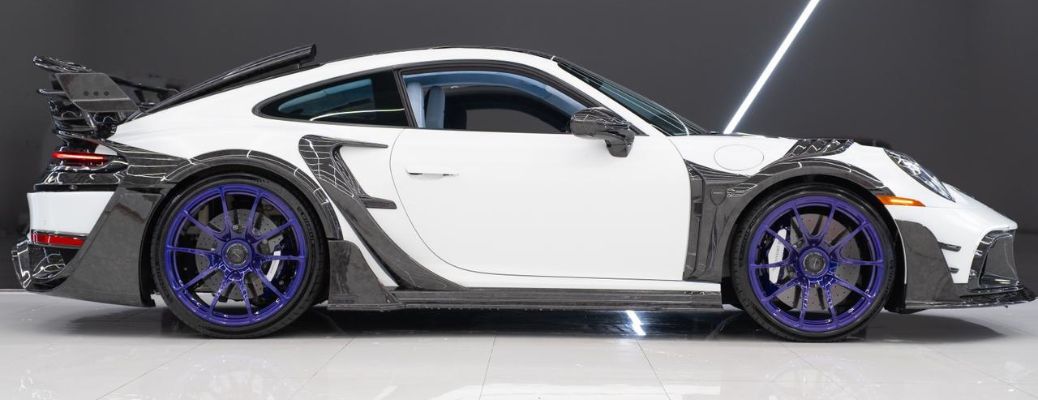
Should You Customize Wheels on a Collectible Supercar?
Wheels occupy a unique position in automotive design — visible, functional, and more communicative about a vehicle’s intent than almost any other single component. Understanding how custom wheel design changes the character of a luxury performance vehicle requires looking beyond aesthetics to examine how spoke count, diameter, width, offset, and construction method collectively alter both how a car looks and how it behaves under the physical demands of serious driving. A well-chosen wheel package shifts a vehicle’s personality from composed luxury toward aggressive performance, from understated sophistication toward visual confidence — and those shifts happen simultaneously in the mechanical and aesthetic dimensions. Limited Spec Automotive in Miami sources vehicles where wheel specification reflects genuine engineering and aesthetic intention, providing buyers the opportunity to evaluate how wheel choice contributes to the complete vehicle character before acquisition.
What Makes a Wheel Design “Custom”?
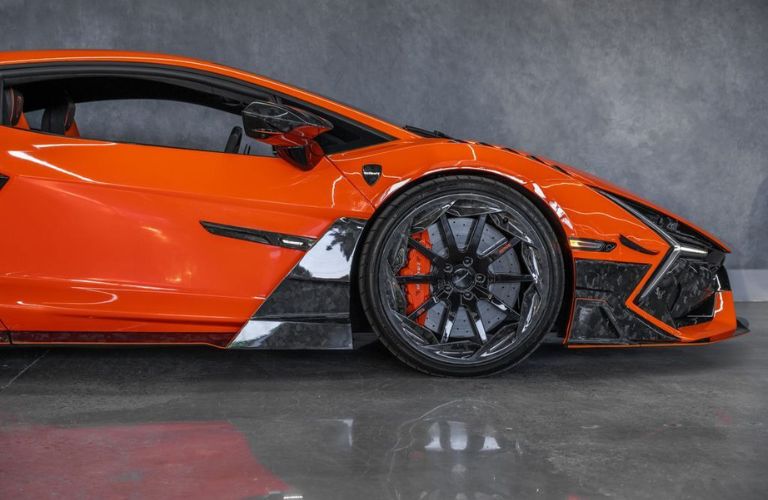
Custom wheel design refers to wheels developed or selected outside the vehicle’s standard production specification — whether through manufacturer-offered personalization programs like MANSORY, Brabus, or Ad Personam, or through aftermarket programs from specialist wheel manufacturers who develop designs specifically for exotic and luxury platforms. Genuinely custom wheels involve design work specific to the vehicle application rather than universal fitments adapted to multiple platforms — a distinction that affects both visual integration and functional optimization. For ultra-exclusive vehicles, some manufacturers develop custom wheel designs as part of limited-production specifications that become inseparable from the vehicle’s identity and collectability, making wheel provenance relevant to authenticity assessment in the same way engine component originality matters to serious collectors.
Why Carbon-Kevlar Construction Is Changing the Future of Ultra-Exclusive Supercars
Why Are Wheels So Important to a Luxury Performance Vehicle’s Character?
Wheels fill the wheel arches in a way that determines whether a vehicle looks planted and purposeful or uncertain and underdeveloped — a diameter and width mismatch with the arch opening creates a visual imbalance that no amount of body styling can fully compensate for. Beyond appearance, wheels are the structural interface between the suspension system and the road surface, meaning their weight, stiffness, and dimensional accuracy directly affect how accurately the suspension performs, rather than simply how the vehicle looks performing it. On a vehicle where chassis dynamics, suspension geometry, and tire contact patch management represent millions of dollars of engineering investment, the wheel’s role in translating that engineering to the road surface deserves more consideration than it receives in most buying decisions.
How Does Wheel Size Affect a Performance Vehicle?
Larger diameter wheels — typically 20 to 23 inches on current luxury performance applications — require lower-profile tires to maintain the overall rolling diameter that the vehicle’s speedometer and suspension geometry are calibrated for, which reduces sidewall height and the compliance that taller sidewalls provide. Lower-profile tires transmit road surface feedback more directly to the vehicle’s chassis and the driver, improving steering precision and cornering feel at the expense of ride comfort on imperfect road surfaces. Wheel diameter selection therefore, involves a genuine trade-off between dynamic precision and ride quality that can’t be optimized simultaneously, which is why manufacturers typically offer multiple diameter options that target different priorities within the same vehicle platform.
How Does Wheel Width Affect Handling?
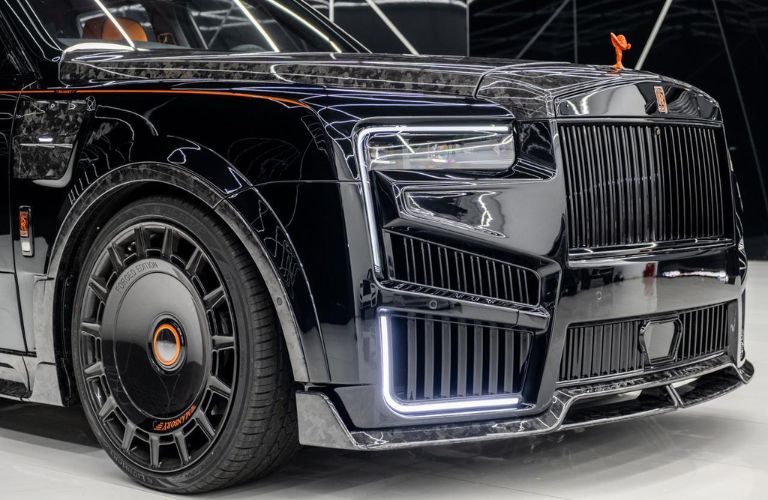
Wider wheels accommodate wider tires, which increases the contact patch area available for lateral grip generation during cornering — a direct relationship that explains why performance-focused vehicles consistently run wider rear wheels than front to maximize rear traction during acceleration. Width also affects a vehicle’s visual stance, with wider fitments producing a lower apparent center of gravity and a more planted visual appearance that communicates performance intent even when the vehicle is stationary. Fitting wheels wider than the vehicle’s suspension geometry was designed to accommodate introduces scrub radius changes and bearing load increases that can compromise handling predictability rather than improving it — which is why manufacturer-developed custom specifications remain preferable to generically wider aftermarket fitments regardless of visual appeal.
Forged vs. Cast Wheels: Which Is Better for a Luxury Performance Vehicle?
Forged wheels begin as solid aluminum billets machined to their final form — a process that produces a denser, more consistent grain structure than casting, resulting in wheels that are approximately 20 to 30 percent lighter than cast equivalents of the same diameter and width. That weight reduction reduces unsprung mass at each corner of the vehicle — the mass that the suspension must control rather than support — producing measurable improvements in suspension response, steering precision, and ride quality over cast alternatives of equivalent design. Cast wheels offer lower production cost and greater design flexibility for complex spoke geometries, making them appropriate for lower-performance applications where the weight premium of forging exceeds the measurable performance benefit.
How Does Wheel Design Complement Performance Brakes?
Carbon ceramic brake systems on high-performance vehicles require substantial airflow to maintain the operating temperatures that support consistent stopping performance across multiple aggressive deceleration events — and spoke design affects how effectively rotating wheels pump cooling air toward the brake assembly. Open-spoke designs with larger flow areas between spokes generate more airflow through the wheel than closed, or complex spoke patterns, making functional aerodynamic consideration relevant to spoke count and geometry choices beyond their visual impact. MANSORY and Lamborghini’s factory custom wheel programs all address brake cooling airflow specifically in their designs for high-performance platforms, treating the thermal management function as an engineering requirement rather than an aesthetic afterthought.
How Does Spoke Design Change the Personality of a Supercar?
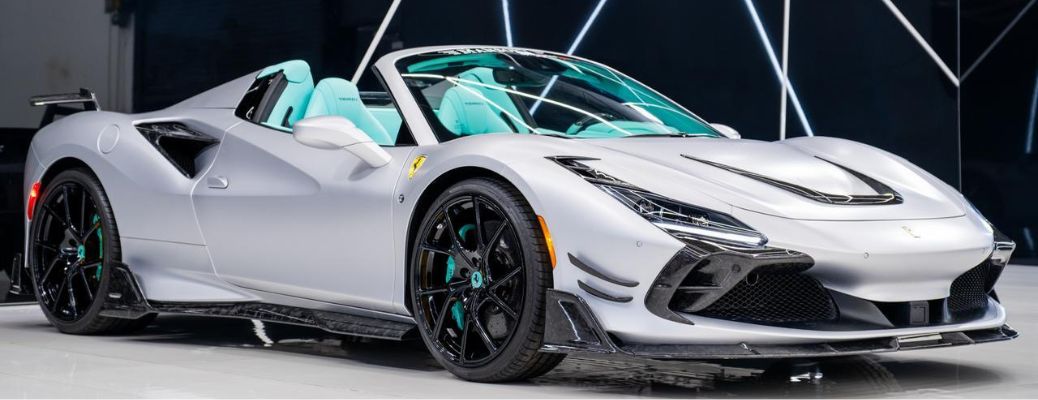
Multi-spoke designs — typically five to ten spokes with varied thickness and surface treatment — communicate refinement and sophistication, associating visually with the grand touring tradition where elegance and performance coexist rather than compete. Y-spoke and split-spoke designs with aggressive undercutting and dramatic shadow effects read as more overtly performance-oriented, referencing motorsport aesthetics that communicate speed even in static presentation. Single-piece forged designs with machine-finished faces and polished or anodized surfaces add a technical quality that suits vehicles whose engineering narrative is as important as their visual presence — a characteristic particularly relevant to limited-production supercars where the wheel specification is part of the vehicle’s documented identity.
Can Custom Wheels Improve Aerodynamic Performance?
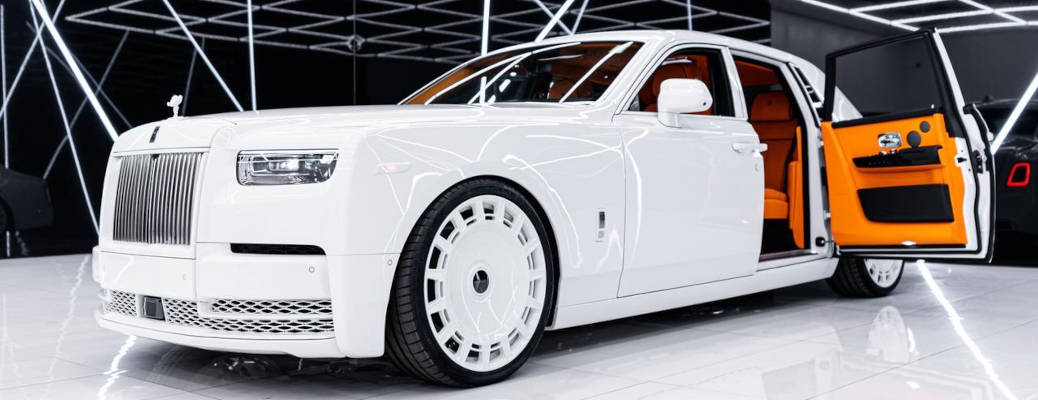
Closed-face or aero-disc wheel designs reduce drag by eliminating the turbulence that open spoke configurations generate as the wheel rotates — a benefit that becomes measurable at sustained highway speeds where aerodynamic drag accounts for an increasingly large share of total resistance. Some manufacturers develop custom wheel designs specifically to interact with the vehicle’s brake duct and aerodynamic underfloor systems, treating the wheel as an active component in the overall aerodynamic program rather than a passive structural element. On track-focused applications, including Lamborghini SC variants and Ferrari XX series vehicles, wheel aerodynamic function receives the same engineering attention as the bodywork’s airflow management — a priority level that filters down to road car design as manufacturers apply the same thinking to production vehicles.
Modern Classics vs. New Hypercars: A Collector’s Guide
How to Choose Custom Wheels for a Luxury Performance Vehicle
Selection should begin with the vehicle manufacturer’s approved fitment specifications — diameter, width, offset, and center bore dimensions that the suspension geometry was designed around — before considering design aesthetics or brand. Construction method, finish durability in the vehicle’s typical operating environment, and certification compliance with the vehicle’s load rating requirements narrow the field to genuinely appropriate options before visual preference applies. For vehicles where wheel specification affects authenticity assessment — limited-production examples, collector-targeted configurations — confirming that custom wheels were factory-installed or represent manufacturer-approved options provides documentation value that purely aftermarket alternatives cannot match.
Learn More About Custom Wheel Design at Limited Spec Automotive
Custom wheel design changes the character of a luxury performance vehicle in ways that visiting Limited Spec Automotive in Miami makes immediately apparent. Stop by to evaluate available inventory where wheel specification contributes meaningfully to each vehicle’s character, discuss how wheel choices affect specific vehicles under consideration, explore financing options appropriate for premium acquisitions, and connect with our team’s expertise in the details that serious buyers genuinely care about. Our team is ready — visit us today.