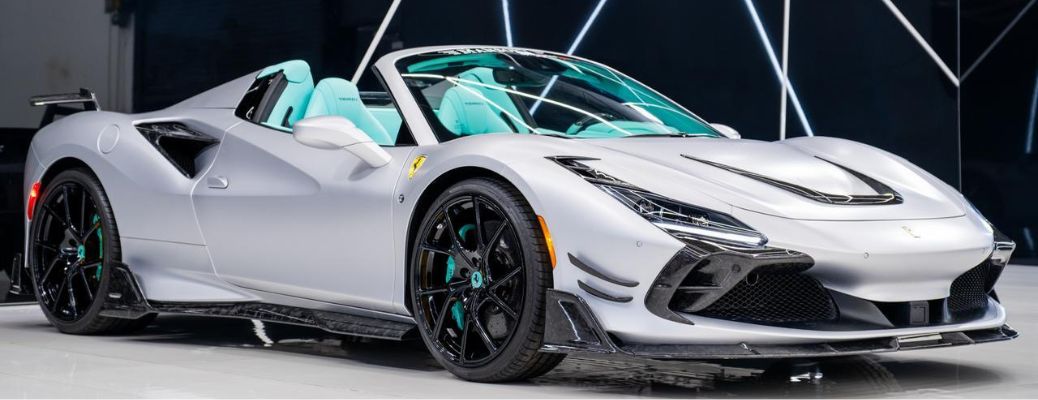
Collector-Grade Exotic Cars for Sale in Miami, FL
Buying a collector-grade exotic car in Miami is a different transaction from buying any other vehicle — the stakes are higher, the misrepresentation risk is real, and the difference between a well-documented acquisition and a poorly researched one can represent hundreds of thousands of dollars in either direction depending on what surfaces after the purchase. These six questions to ask before you purchase a collector-grade exotic car in Miami won’t guarantee a perfect acquisition, but they will expose the information gaps and documentation deficiencies that characterize the purchases buyers later regret. Provenance verification, originality assessment, independent inspection, and long-term ownership cost awareness collectively form the due diligence framework that experienced collectors apply regardless of how appealing a specific vehicle looks on initial presentation. Limited Spec Automotive in Miami approaches every acquisition with these standards applied to inventory before buyers evaluate it — but the questions remain useful regardless of where you’re shopping.
1. What Is the Car’s Provenance and Ownership History?
A collector car should come with a story you can actually verify. Ask how many owners the vehicle has had, where it has lived, and whether it has been involved in an accident or major repair.
Look for service invoices, registration records, ownership documents, and other paperwork that helps fill in the timeline. A low-mileage car sounds appealing, but mileage alone does not tell you how it was stored or maintained. A well-documented ownership history gives you a much clearer picture.
Why Original Window Stickers Matter to Luxury Car Collectors in Miami, FL
2. Is the Car Original, or Has It Been Modified?
Originality can have a major impact on a collector-grade exotic car’s value. Ask whether the paint, engine, wheels, interior, exhaust, and other major components are original to the vehicle.
Some modifications may be easy to reverse. Others can permanently change what makes a car collectible. If the vehicle has been modified, find out who performed the work and whether the original parts are included.
Most importantly, don’t rely on a seller’s description alone. Have the car inspected and verify what you can.


3. What Documentation Comes with the Vehicle?
Ask for the original build sheet or window sticker, service records, title history, and records of major repairs or maintenance. Manufacturer documentation can also help confirm the original specification.
Missing records don’t automatically make a car a bad purchase. However, unexplained gaps deserve a closer look. The more complete the documentation, the easier it is to understand exactly what you’re buying.
4. Has the Car Been Independently Inspected?
A specialist familiar with the manufacturer and model can uncover issues that aren’t obvious during a showroom walkaround. That may include paintwork, mechanical wear, electronics, suspension components, leaks, or previous accident repairs.
Think of the inspection as part of the purchase process, not an extra expense. A good inspection can either confirm what you already believe or uncover something worth knowing before you sign the paperwork.
5. How Rare and Desirable Is This Specific Specification?
Pay attention to the combination of exterior color, interior trim, factory options, performance equipment, mileage, and production numbers. A particular specification may be far harder to find than the standard version of the same model.
If you’re paying extra for rarity, research comparable cars and recent market activity. Make sure the price reflects the actual specification rather than simply the reputation of the badge.
Limited Production vs. Special Edition: Which Holds Value Better?
6. What Will Ownership Look Like After the Purchase?
Collector-grade exotics can require specialized servicing, storage, insurance, and maintenance. In Miami, you’ll also want to consider heat, humidity, and strong sunlight when planning long-term storage.
Think about where you’ll service the vehicle and how you’ll maintain its records. Good ownership habits can help preserve the car’s condition and documentation for the next buyer when you’re eventually ready to sell.
Explore Collector-Grade Exotic Cars at Limited Spec Automotive
If you’re shopping for a collector-grade exotic car in Miami, you can use these same questions while reviewing vehicles at Limited Spec Automotive. Look closely at the specification, ask about available documentation, and take the time to understand each car’s history before deciding.