Should You Buy a Modern Classic or a New Hypercar for Your Collection?
Automotive collecting has always involved a fundamental tension between what has already proven its worth and what might define the next era of desirability. Modern classics versus new hypercars represents that tension in its most direct form — a choice between vehicles whose collector credentials are already established and those whose significance is still being written by the market. Both categories offer compelling arguments for acquisition, and neither is categorically superior to the other when the right example is purchased at the right moment with the right documentation. Limited Spec Automotive in Miami works with collectors navigating exactly this decision, maintaining curated inventory across both categories for buyers who approach automotive acquisitions with genuine strategic intent.
Understanding the Difference Between Modern Classics and New Hypercars
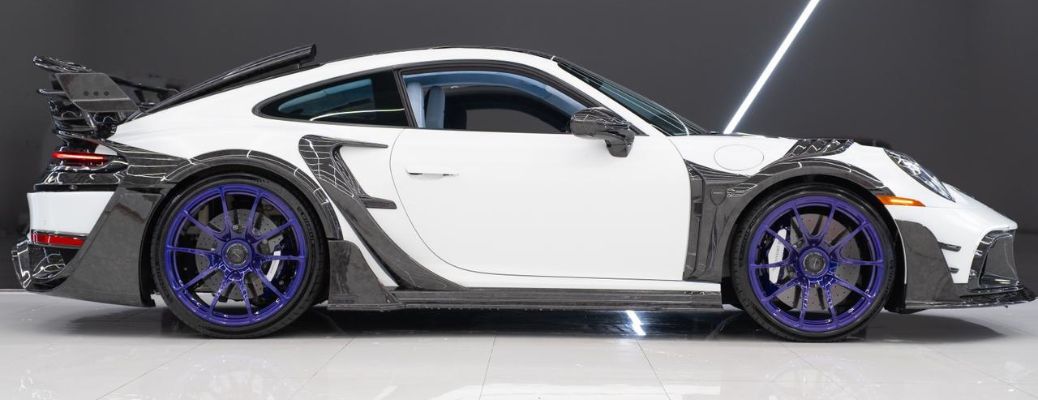
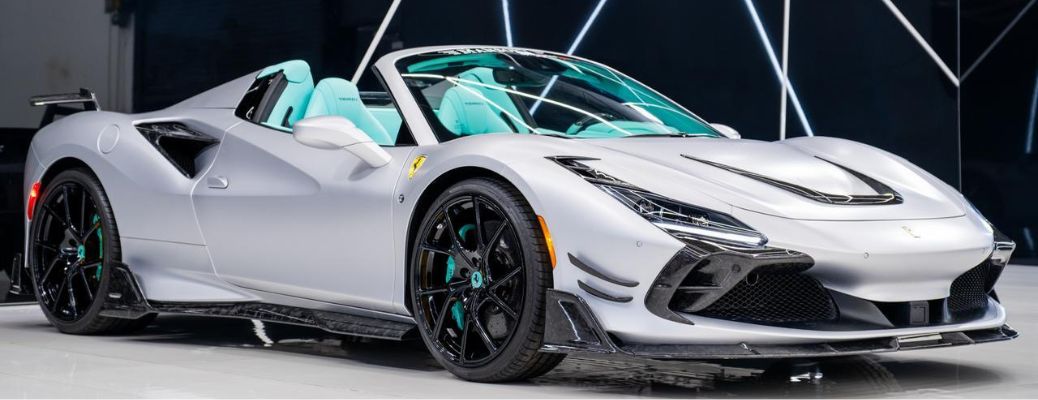
Modern classics generally refer to vehicles produced within the past 20 to 35 years that have already demonstrated sustained or increasing collector demand — examples include naturally aspirated Ferrari variants from the 348 through 360 generation, early Porsche 911 GT3 iterations, and limited-production Japanese sports cars whose reputations have grown considerably since production ended. New hypercars, by contrast, represent current or very recent limited-production vehicles from established performance manufacturers — Lamborghini SC series, Ferrari limited editions, McLaren Ultimate Series, and similar examples produced in quantities deliberately constrained to support long-term value. Understanding which category you’re entering matters considerably, because the risk profile, acquisition strategy, and holding timeline differ meaningfully between the two.
Why Factory-Original Interiors Matter in the Collector Car Market
Which Offers Better Long-Term Value?
Modern classics carry the advantage of demonstrated market behavior — you can examine auction results across multiple years to understand how specific examples in specific conditions have performed, which removes significant uncertainty from the valuation process. New hypercars arrive at significant premiums above MSRP in many cases, with acquisition prices that reflect speculative demand rather than proven collector consensus. Both can appreciate substantially, but the modern classic’s track record provides a more defensible foundation for buyers who treat automotive acquisitions as capital allocation rather than purely passion purchases.

Driving Experience: Analog Emotion vs. Modern Engineering
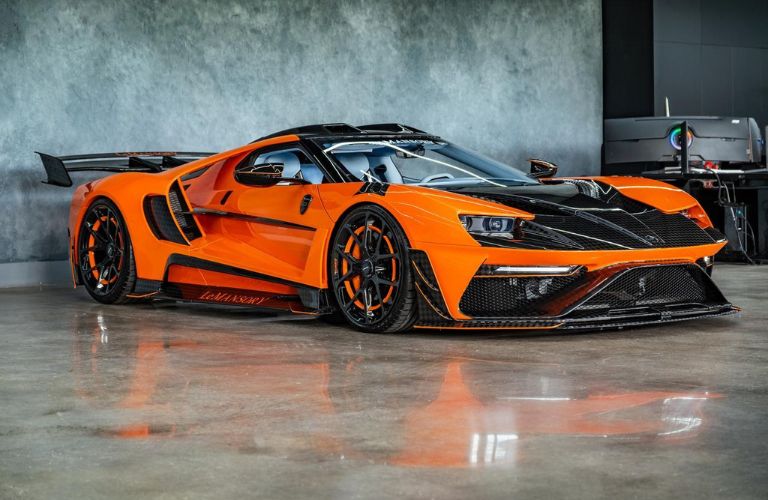
Collectors who prioritize the driving experience often find modern classics more rewarding in an immediate, visceral sense — naturally aspirated engines, mechanical steering, and limited electronic intervention create a connection between driver and machine that modern hypercars frequently filter through sophisticated management systems designed to optimize performance rather than communicate it. New hypercars deliver performance figures that would have seemed implausible a decade ago — hybrid systems pushing beyond 1,000 combined horsepower in some cases — but the experience can feel mediated rather than direct. Neither approach is objectively superior; the preference reveals something genuine about what the collector values most in a driving machine, which is itself useful information when building a collection.
Building a Balanced Collection
Experienced collectors often find that modern classics and new hypercars serve complementary rather than competing roles within a well-structured portfolio. A modern classic provides an emotionally engaging vehicle that can be driven with relative freedom — lower insurance values, more accessible parts availability, and established specialist networks to reduce the anxiety of regular use. A new hypercar serves as both a statement of acquisition and a potential appreciating asset, held conservatively with mileage managed carefully and documentation maintained to the standard that future buyers will expect when the time comes to sell.
Common Mistakes Collectors Make
Acquiring based on visual appeal alone — without verifying documentation completeness, service history, and originality of specification — remains the most costly error new collectors make, regardless of whether the vehicle is a modern classic or a current hypercar. Overpaying for a mediocre example of a desirable model consistently produces worse outcomes than paying a fair premium for the best available example, because condition and documentation gaps narrow over time rather than self-correcting. Neglecting storage conditions, insurance adequacy, and maintenance intervals on vehicles held as investments creates problems that reduce both condition ratings and achievable sale prices when the time comes to exit a position.
How Factory Paint Protection Film Can Preserve Collector Value
Explore Collector Vehicles at Limited Spec Automotive
Modern classics vs. new hypercars is a question that benefits from firsthand exposure to both categories — and Limited Spec Automotive in Miami maintains inventory that makes that comparison possible in a single visit. Stop by our showroom to review current collector vehicle inventory, discuss acquisition strategy with our team, explore financing options appropriate for your situation, and schedule time with specific vehicles that align with your collecting priorities. Our team is prepared to support a well-informed decision — the right vehicle for your collection exists, and we’re ready to help you find it.