Things to Consider Before Owning a Hypercar
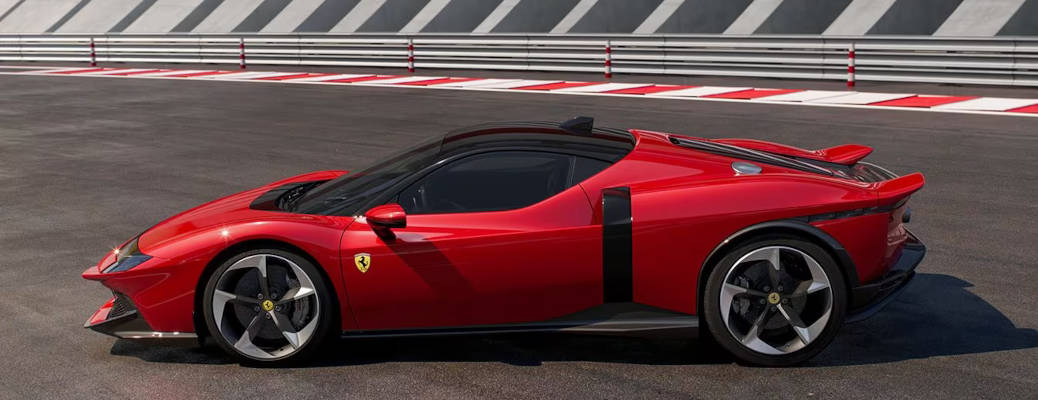
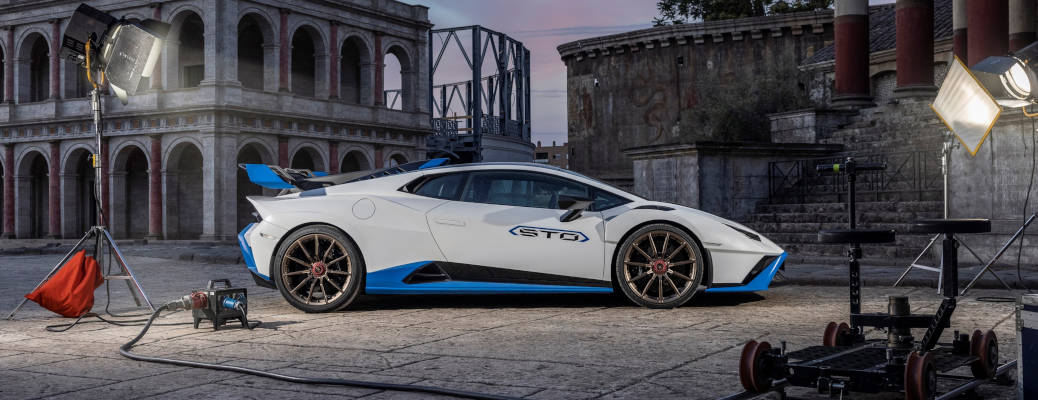
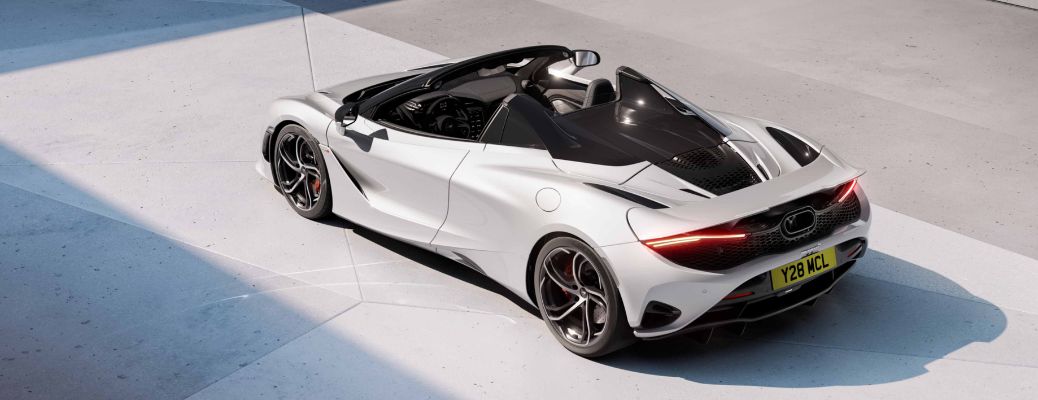
Buying a hypercar isn’t a transaction in the traditional sense — it’s an evaluation process that demands more diligence than nearly any other vehicle purchase a collector will make. The questions every buyer should ask before purchasing a hypercar go well beyond horsepower figures and acceleration times; they touch on provenance, mechanical condition, originality, and the long-term costs that come with owning machinery built at the absolute edge of automotive engineering. These vehicles represent extraordinary capability and equally extraordinary complexity, which means a poorly vetted purchase can become an expensive lesson rather than the acquisition a collector intended. Limited Spec Automotive in Miami, FL, specializes in guiding serious buyers through exactly this process, with inventory and expertise suited to this rarefied segment of the market.
Why Buying a Hypercar Requires Careful Planning
Hypercars occupy a category where engineering complexity, production scarcity, and price intersect in ways that demand a fundamentally different purchasing approach than conventional luxury or performance vehicles. A single overlooked detail — a service gap, an undisclosed accident, or a non-original component — can affect value by hundreds of thousands of dollars on vehicles in this price range. Careful planning protects against these risks, and the process typically requires significantly more time, expertise, and documentation review than buyers accustomed to conventional car purchases initially expect.
How Exotic Car Sourcing Works for Rare Ferrari Models
Is the Hypercar Right for Your Driving Goals?
Before evaluating any specific vehicle, buyers should honestly assess how they intend to use it — frequent spirited driving, occasional weekend outings, or primarily static display as part of a broader collection. This distinction matters considerably, since hypercars built for track-focused performance often demand more frequent maintenance and specialized tire replacement than buyers anticipate if driven regularly. A vehicle acquired purely as an investment piece carries different priorities around mileage accumulation and usage than one intended for genuine driving enjoyment, and clarifying this goal early shapes every subsequent decision in the purchasing process.

What Should You Know About the Vehicle’s History?
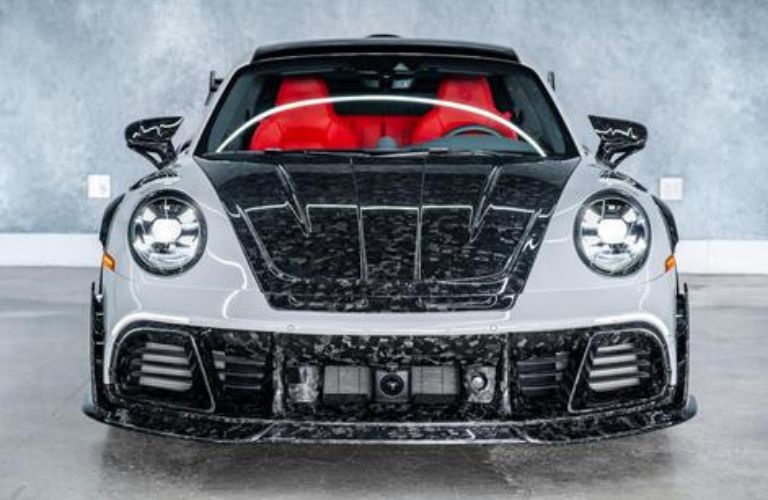
Complete ownership history, accident records, and any insurance claims should be reviewed thoroughly before any hypercar purchase moves forward. Single-owner examples with documented, consistent care typically command premiums over vehicles that have changed hands multiple times without a clear explanation. Buyers should request a comprehensive vehicle history report and, where possible, speak directly with previous owners or the selling dealer about how the vehicle was used, stored, and maintained throughout its life.
Has the Hypercar Been Properly Maintained?
Hypercars often require manufacturer-specific service intervals, specialized technicians, and parts that aren’t available through conventional supply chains — which makes maintenance history one of the most critical factors in any purchase evaluation. Gaps in service records, deferred maintenance items, or evidence of work performed outside authorized service networks should raise immediate questions rather than be dismissed as minor concerns. A pre-purchase inspection by a technician with specific experience on the relevant manufacturer and model is essential, regardless of how complete the paperwork appears.
Are the Specifications and Options Original?
Verifying that a hypercar’s current specification matches its original factory build is essential, particularly for limited-production models where specific option combinations significantly affect value. Window stickers, build sheets, and manufacturer certification programs — where available — provide the documentation needed to confirm originality and rule out undisclosed modifications. Any deviation from factory specification, however well-executed, should be disclosed transparently and factored into the valuation rather than discovered after the transaction closes.
Limited Production vs. Special Edition: Which Holds Value Better?
What Are the Long-Term Ownership Costs?
Hypercar ownership extends well beyond the purchase price, encompassing insurance premiums that can run significantly higher than conventional luxury vehicles, specialized storage requirements, and maintenance costs that frequently exceed standard supercar service expenses. Tire replacement alone can represent a substantial expense given the specialized compounds many hypercars require, and parts availability for limited-production models can affect both repair timelines and costs. Buyers should budget realistically for these ongoing expenses before finalizing any acquisition, rather than discovering the true cost of ownership after the purchase is complete.
Find Your Ideal Hypercar at Limited Spec Automotive
The questions every buyer should ask before purchasing a hypercar deserve thoughtful, unhurried answers — and that’s exactly the conversation our team is prepared to have. Visit Limited Spec Automotive in Miami to explore current inventory, discuss financing structures appropriate for hypercar acquisitions, and schedule time to evaluate any vehicle that meets your criteria. Our team is ready to support a purchase decision built on complete information, not assumptions.