How Engine Type Affects Acceleration and Passing Power
Few debates run longer than naturally aspirated vs. turbocharged engines, and what drivers may notice comes down to feel. Power delivery, throttle response, and sound under acceleration all differ in ways you can sense the moment you press the pedal. Naturally aspirated engines are known for linear response and a rising soundtrack, while turbocharged engines often deliver strong output from a smaller displacement. Both designs appear in everything from daily commuters to performance cars, and Limited Spec Automotive in Miami can help you compare vehicles with each setup in person.
Naturally Aspirated vs. Turbocharged Engines: The Short Answer
Naturally aspirated engines draw air in without a turbocharger, while turbochargers use exhaust energy to compress incoming air. What drivers may notice is how power builds, how the engine responds to throttle input, and the sound and character under acceleration. Actual feel varies by engine design, transmission, vehicle weight, and tuning. Treat any broad generalization as a starting point, not a rule.
How to Prepare Your Current Vehicle for an Exotic-Car Trade-In
How Does a Naturally Aspirated Engine Feel?
Many naturally aspirated engines feel direct. Press the pedal and the response tracks closely with what your foot asks for, and power often builds progressively as engine speed rises. That makes the car easy to read, especially on a winding road. Not every naturally aspirated engine behaves this way, though. Displacement, gearing, and vehicle weight all shape the experience, and a small, low-revving engine feels very different from a large, high-revving one.
What Does a Turbocharged Engine Feel Like?
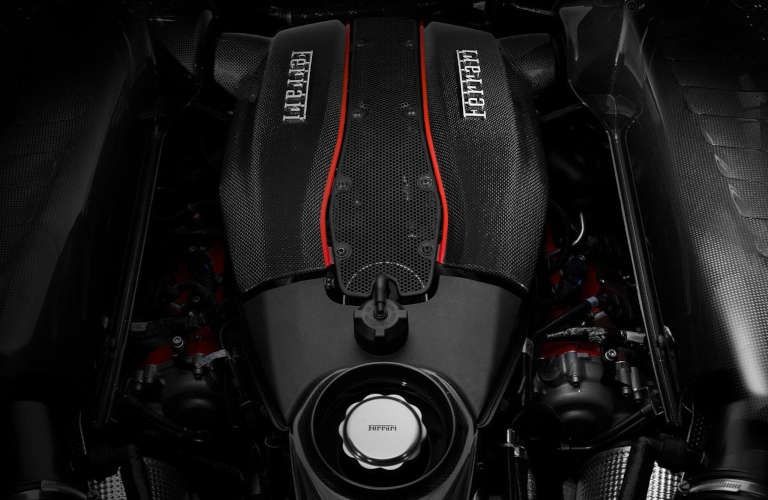
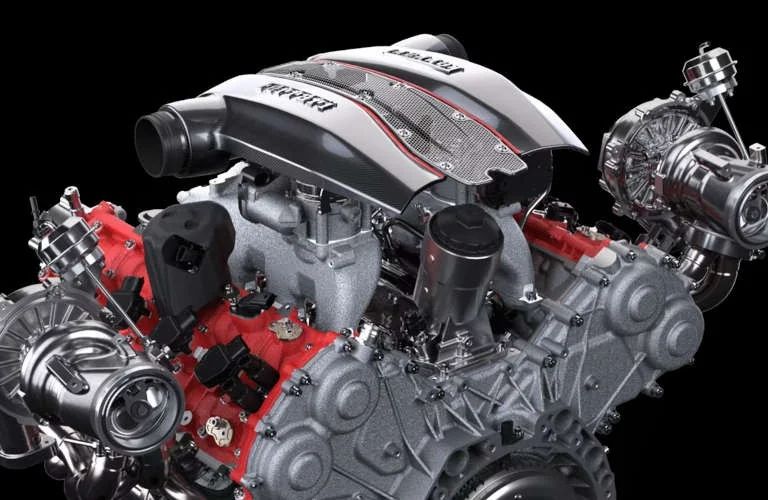
A turbocharger works on a simple idea. Exhaust gas spins a turbine, the turbine drives a compressor, and the compressor pushes more air into the engine. More air allows more fuel to burn, which is why a smaller-displacement engine can produce power once reserved for bigger ones. Some drivers notice turbo lag, a brief delay between throttle input and torque delivery. Modern turbo systems and engine tuning can reduce it considerably, so the effect varies from car to car.
Naturally Aspirated vs. Turbocharged Engines: Key Differences Drivers May Notice
Throttle Response and Power Delivery
Progressive response feels like turning a dial, while boost-assisted delivery can feel like a surge once the turbo is working. The transmission and software matter just as much as the engine. Throttle mapping, shift logic, and drive modes shape what you feel from the driver’s seat, so two cars with the same engine type can behave quite differently.
Sound and Engine Character
Sound is personal. Naturally aspirated engines often have a clear induction note and a rising exhaust tone, while turbocharged engines may sound smoother, sometimes with whooshes or whistles depending on the design. Those traits depend on the vehicle, and neither setup always sounds better. Listen for yourself, because a spec sheet can’t tell you what you’ll enjoy.
Efficiency and Fuel Use
Turbocharging can support engine downsizing and efficiency goals, which is one reason automakers use it. Real-world fuel economy, however, depends on the vehicle, the engine tune, and how you drive. Heavy throttle use can raise fuel consumption in any engine. Check the manufacturer’s fuel economy information for the exact vehicle rather than assuming.
How to Finance an Exotic Car in Miami, FL: What High-Net-Worth Buyers Should Know
How to Compare Them on a Test Drive
Drive similar routes in each car so the comparison stays fair. Pay attention to throttle response, transmission behavior, and passing power. Notice how the car responds at different speeds and engine loads, from gentle cruising to firm acceleration. Afterward, review fuel requirements and maintenance guidance in the owner’s manual, since some engines call for specific fuel or service intervals.
Find the Engine Character That Suits You at Limited Spec Automotive
Reading only gets you so far. Comparing naturally aspirated vs. turbocharged engines in person shows you which character fits the way you drive. Visit Limited Spec Automotive to look at specific vehicles and ask about the engine, transmission, maintenance history, and manufacturer guidance. Explore trims and features, discuss financing options, and schedule a test drive.