How Tire Wear Affects Your Vehicle’s Performance
Your tires and brakes are the first parts of a performance car to tell you something is wrong, and most owners don’t listen until the steering wheel starts shaking. Understanding tire and brake wear on a performance car starts with a simple fact: both wear out with normal use, but uneven wear, damage, vibration, odd noises, or changes in how the car steers and stops deserve attention right away. Wear rates depend on the car, the parts, your driving style, road conditions, and any track time, so no single replacement interval fits every car. At Limited Spec Automotive in Miami, the right questions start with the car’s condition, its service history, and how it has been driven. There’s no universal mileage at which every performance car needs new tires or brakes.
Why Performance-Car Wear Can Look Different
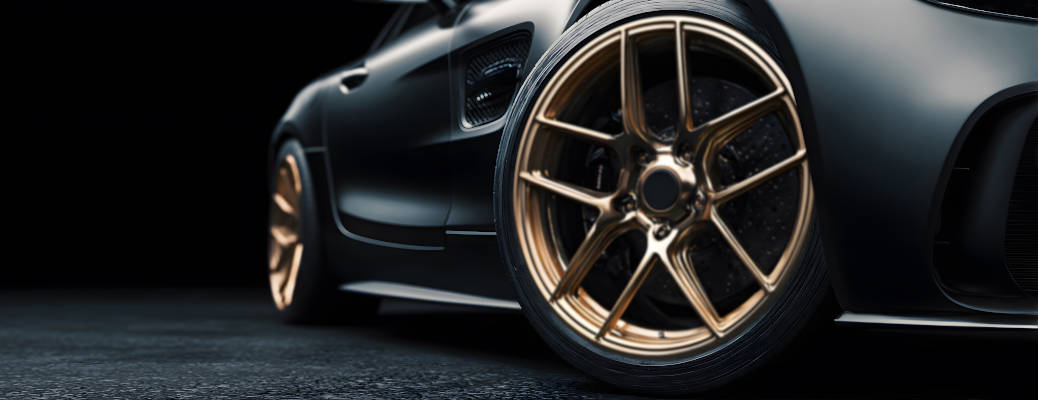
Power, weight, grip, and braking loads all push harder on a performance car’s wear parts than on a commuter sedan. Many carry staggered tire sizes, with wider rubber at the rear, which can change how rotation works or rule it out. Some makers also set vehicle-specific maintenance requirements. Don’t assume the generic advice you’d give a family hatchback applies here. Your owner’s manual and the tire specifications on the sidewall are the real authority.
How to Finance an Exotic Car in Miami, FL: What High-Net-Worth Buyers Should Know
How to Recognize Tire Wear
Common Tire Wear Patterns
Think of patterns as clues, not diagnoses. Wear on both shoulders may point to inflation or use conditions. Wear down the center can come from chronic overinflation. Wear on one edge or uneven wear across the tread may mean the alignment or suspension needs a look. Cupping, vibration, or noise can have several causes. Michelin notes that these patterns can hint at pressure or alignment trouble, but a tire professional has to find the actual cause.
When a Tire Needs Prompt Attention
Some things aren’t worth debating. Cuts, cracks, bulges, exposed cords, repeated pressure loss, or damage after a hard impact all call for an immediate check. So does tread at the wear indicators. NHTSA advises replacing tires at 2/32 inch of tread and checking pressure, tread, and damage regularly. On a performance car, many owners replace sooner, and that’s a reasonable call.
How to Recognize Brake Wear
Signs to Take Seriously
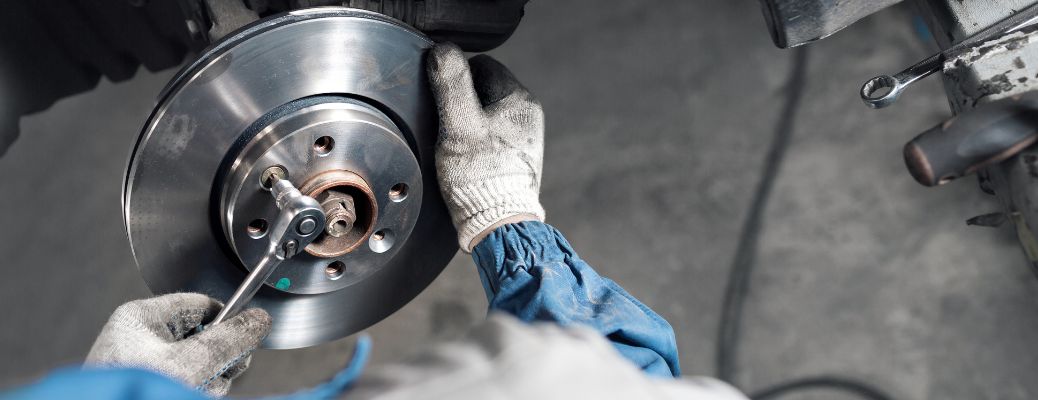
A brake warning light or wear-indicator alert comes first. After that, listen for persistent squealing, scraping, or grinding, and feel for vibration or pulsation under braking. A change in pedal feel or stopping response matters. So do visible scoring, cracks, or discoloration on the discs. Noises and vibrations have multiple causes, and Brembo recommends having the system checked when they appear.
Why Pad and Disc Condition Should Be Assessed Together
Pads and discs work as one system. A pad with life left can still be paired with a damaged disc, and the reverse is true too. Thickness, wear limits, and vehicle-specific requirements all need a proper inspection, so skip the rule-of-thumb numbers and go by the manufacturer’s specifications.
How Driving Conditions Affect Wear
Commuting on smooth roads is gentle compared with repeated hard braking, spirited back-road runs, or track days. Heat and driving style change how fast parts wear, and no universal rate exists. If you’ve done track work or just had brake service, follow the car maker’s and component maker’s inspection and break-in guidance.
How Do Original Options and Service Records Affect a Collector Car’s Appeal?
What an Inspection Should Cover
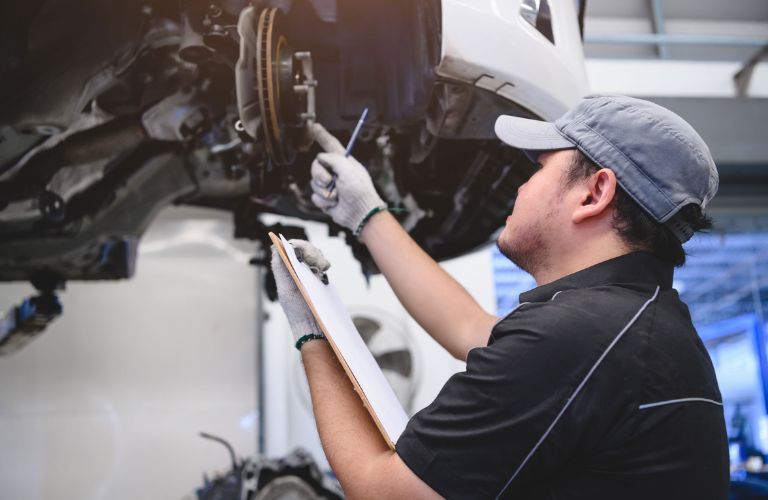
A good inspection checks pressure and tread depth at several points across each tire, plus sidewalls for impact damage or aging. If wear looks uneven, it should look at alignment, balance, and suspension. On the brake side, it covers pads, discs, wear sensors, and related components. It should also confirm the right tire sizes, rotation guidance, and service limits for your specific car.
Learn More About Tire and Brake Wear on a Performance Car at Limited Spec Automotive
If you’re shopping for a performance car, ask what the tires and brakes look like before you ask about horsepower. Visit Limited Spec Automotive in Miami, FL, to review service records, request a pre-purchase inspection, and discuss financing and a test drive. Our team is ready, so stop by and learn how to read the wear on any car you’re considering.